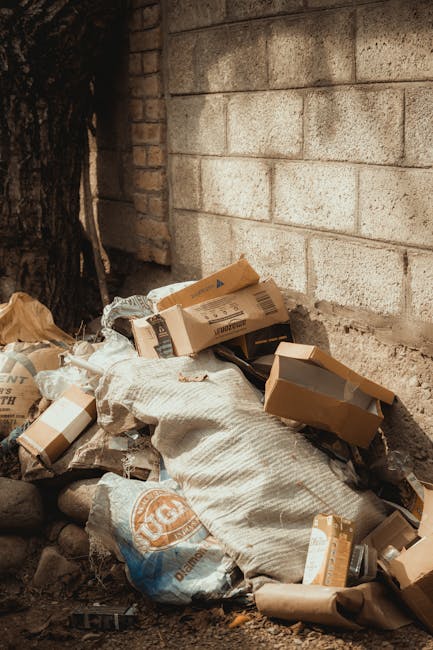
Willesden Green rubbish removal guide for High Road flats NW10
If you live in a High Road flat in NW10, rubbish removal can be one of those jobs that looks simple right up until you try to move a broken wardrobe down a narrow staircase, time it around bins day, and avoid annoying the neighbours. This Willesden Green rubbish removal guide for High Road flats NW10 is here to make the whole thing feel much more manageable. Whether you are clearing a one-bed flat, dealing with furniture after a move, or just trying to get rid of bulky bits that have been gathering in the corner for too long, the best approach is usually the one that fits the building, the access, and your schedule.
In the next few sections, you will get a practical breakdown of how rubbish removal works in flats along High Road, what to watch out for, and how to choose between collection methods without wasting time or money. To be fair, a lot of people only think about disposal at the last minute. That is where problems start.
For a broader look at professional waste clearance options, you may also find the general rubbish removal service overview useful, especially if your flat clearance includes mixed household waste rather than one single item.
Table of Contents
- Why Willesden Green rubbish removal guide for High Road flats NW10 Matters
- How Willesden Green rubbish removal guide for High Road flats NW10 Works
- Key Benefits and Practical Advantages
- Who This Is For and When It Makes Sense
- Step-by-Step Guidance
- Expert Tips for Better Results
- Common Mistakes to Avoid
- Tools, Resources and Recommendations
- Law, Compliance, Standards, or Best Practice
- Options, Methods, or Comparison Table
- Case Study or Real-World Example
- Practical Checklist
- Conclusion
- Frequently Asked Questions
Why Willesden Green rubbish removal guide for High Road flats NW10 Matters
High Road flats are rarely designed with waste clearance in mind. Access can be tight, parking can be awkward, and stairwells are often shared, which means rubbish removal has to be planned around other people as much as your own schedule. If you are on an upper floor, even a small job can become a slog if you have to carry items through communal areas, outside to the kerb, and then wait for the right collection window.
That matters for three reasons. First, delayed rubbish creates clutter, and clutter gets in the way quickly in a small flat. Second, waste left in communal spaces can cause friction with neighbours or building management. Third, the wrong disposal choice can lead to extra charges, missed collections, or items being refused altogether. Nobody wants a sofa parked in the hallway for three days. It looks messy and feels worse by the hour.
High Road also brings the usual urban mix of foot traffic, delivery vans, short parking windows, and the occasional bit of street congestion. So in practice, rubbish removal here is not just about lifting things away. It is about timing, access, and choosing the least disruptive method. That is why a local-minded guide helps. It turns a vague chore into a set of clear decisions.
Practical takeaway: for flats in NW10, the best rubbish removal plan is usually the one that reduces carrying distance, keeps common areas clear, and matches the size of your load to the access you actually have.
How Willesden Green rubbish removal guide for High Road flats NW10 Works
In a flat, rubbish removal usually follows one of three paths: a man-and-van style collection, a skip-based solution, or a wait-and-load arrangement. The right option depends on how much you need to clear, what kind of waste it is, and whether the property or street layout allows loading outside.
A typical flat clearance starts with sorting. You separate general household rubbish from bulky items, electricals, and anything that needs special handling. Then you decide whether the waste can be carried down and loaded quickly or whether it makes more sense to store it briefly in one place before collection. In many High Road flats, that second question matters a lot. A quick kerbside stop is far easier than dragging items to the pavement one by one.
If you have mixed loads, it can help to compare the available methods. For example, domestic skip hire is often suitable for bigger clear-outs where you have enough room and time to fill a skip safely, while wait and load skip hire may suit busy streets or properties where leaving a skip outside would be inconvenient. And if the job is urgent, same-day skip hire can be a practical fallback, though availability obviously depends on timing and access.
There is also the simple question of what you are throwing away. Sofas, mattresses, appliances, and confidential paperwork each need a slightly different approach. A load that includes a fridge or freezer, for example, should be dealt with separately through proper appliance handling. Likewise, if you are disposing of paperwork or old tenancy files, confidential shredding is the safer route than chucking documents into mixed rubbish.
Key Benefits and Practical Advantages
The biggest benefit of organised rubbish removal in a flat is simplicity. You get the space back without turning your hallway into a temporary storage unit. That sounds obvious, but in a compact Willesden Green flat, the difference is huge. A cleared floor feels bigger, quieter, and easier to live in. Even the light seems better when the clutter is gone. Funny how that works.
There is also less risk of injury or hassle. Large items like wardrobes, beds, and white goods are awkward in stairwells. They scrape walls, catch on bannisters, and often require two people where one was expected. A proper collection plan reduces that faff. It also helps protect shared parts of the building, which is important if you rent or live in a managed block.
Another practical advantage is better sorting. When you plan the removal properly, recyclable materials can be separated more effectively, and waste is less likely to be dumped together in a way that makes recycling harder. If sustainability matters to you, take a look at the site's recycling and sustainability approach for a sense of how waste streams are handled responsibly.
In short, the right removal method can save time, reduce stress, and keep your building tidy. That is not flashy, but it is exactly what most people need.
Who This Is For and When It Makes Sense
This guide is especially useful if you live in a flat on or near High Road and you are dealing with any of the following:
- a move-out clean, where the flat needs to be emptied quickly
- bulky household items that will not fit in communal bins
- a post-renovation clear-up with plasterboard, timber, or packaging
- a garage, loft, or storage cupboard that has become a bit of a catch-all
- household decluttering after a long period of building up unwanted items
- appliance, mattress, or sofa disposal
It is also relevant if you are a landlord or letting agent managing a turnover between tenancies. In those cases, the main goal is often speed and predictability. You do not want waste sitting around between inventory checks, and you definitely do not want the wrong items left behind by a previous occupant.
For people doing larger property clearances, the wider services can be helpful too. A one-off flat emptying may sit naturally alongside house clearance, garage and loft clearance, or even a more tailored man and van collection if the load is lighter but still awkward to move. Truth be told, no one loves moving a fridge down stairs on a Tuesday evening.
Step-by-Step Guidance
If you want the job to go smoothly, follow a simple order. It does not need to be complicated.
- Walk through the flat and separate the waste. Put bulky furniture, electrical items, general rubbish, and anything hazardous into different piles. This makes the rest easier.
- Check access first. Measure doorways, stair turns, lift size if there is one, and whether parking or stopping outside is realistic. A ten-second check can save a lot of head-scratching later.
- Decide on the disposal method. Small mixed loads may suit a van collection. Bigger loads may suit a skip or enclosed container. If there is limited space, a skip hire option may need to be paired with permit or access planning.
- Estimate the volume honestly. People often underestimate. A few bags, a dismantled bed, and an old wardrobe can add up fast. Look at the pile as a whole, not item by item.
- Book for the right time window. If the building is busy during the day, an early slot may be easier. If noise is a concern, choose a time that causes less disturbance. That tiny bit of planning helps a lot.
- Prepare the route out. Clear the hallway, prop doors open where safe, and remove anything that could snag or trip someone. Keep the path clean and simple.
- Load and remove efficiently. Place items nearest the exit first, then work inward. Heavy items should not block lighter ones. It sounds obvious, but in practice people do the opposite.
If the job involves building waste from internal repairs, you may need more specialist handling. In that case, builders waste removal, construction waste disposal, or builders skip hire may be more appropriate than a standard household clear-out.
Expert Tips for Better Results
One of the best ways to keep rubbish removal under control in a flat is to break the job into stages. Start with the items you are certain about. Leave sentimental stuff or "maybe later" clutter for a separate pass. Otherwise you end up standing in the middle of the room, holding an old lamp and wondering why it suddenly feels important. Happens all the time.
Another tip is to choose the method that suits your building, not the one that sounds cheapest on paper. A skip might look like the obvious answer, but if parking is tight or access is awkward, it can become more trouble than it is worth. On the other hand, a man-and-van collection can be ideal for upper-floor flats where carrying items out in one go is the simplest option.
When sorting bulky items, keep these small rules in mind:
- remove drawers, cushions, and loose parts before moving furniture
- bag sharp or broken fragments separately
- tape closed any boxes with loose screws or fixings
- avoid overfilling bags to the point they split on the stairs
- keep wet waste apart from dry recyclables where possible
If you are unsure what can go together, the guide on what can go in a skip is useful for understanding typical acceptable materials. And for awkward heavy items, it is worth checking dedicated services such as fridge and appliance removal or mattress and sofa disposal rather than hoping they can be handled as ordinary waste.
Finally, keep one eye on the neighbours. In a shared building, courtesy matters. A quick message, a tidy landing, and a fast turnaround go a long way.
Common Mistakes to Avoid
The most common mistake is underestimating the volume of rubbish. A flat can look empty until you actually start clearing cupboards, under-bed storage, and the odd "temporarily stored" pile by the radiator. Then suddenly, there is much more waste than expected.
Another common problem is mixing restricted items into general waste. Hazardous materials, chemicals, paint, gas canisters, and some electrical items may need specialist disposal. If you suspect any of those are in the mix, use a proper route rather than taking chances. The site's hazardous waste disposal page is the right starting point for that kind of load.
People also forget about parking, access, and building rules. Even where a collection itself is quick, a badly planned arrival can cause delays. And if a skip or collection vehicle needs space on the public highway, you may need to think about permits. It is boring admin, yes, but it matters. For that reason, skip permits and skip hire permits are worth checking before the day arrives.
Lastly, do not leave the job half-finished. If you only remove the easy items, the remaining pile often becomes more annoying than the original mess. Better to finish cleanly once than circle back twice.
Tools, Resources and Recommendations
You do not need a van full of specialist kit to sort rubbish removal in a High Road flat, but a few simple tools make life easier. A sack trolley or furniture dolly is useful for short moves, especially on flat landings. Heavy-duty bags help with smaller mixed waste. Gloves, tape, a marker pen, and a couple of blankets for protection are all practical basics.
If your waste load is too awkward for a standard collection, a few service types can help:
- wait and load skip hire for quick roadside loading
- grab hire services for larger loose waste where access allows
- grab lorry hire for heavier clearances with bulk loading needs
- construction waste clearance if the job came from repairs or refurb work
For properties with tighter security or shared access concerns, an enclosed option can feel more reassuring. Enclosed and lockable skip hire is especially useful where you want to reduce fly-tipping risk or keep waste contained.
If the collection is more commercial than domestic, such as a flat above a small office or mixed-use building, commercial skip hire and office clearance can be the better fit. Different problems, different fixes.
Law, Compliance, Standards, or Best Practice
For rubbish removal in London, the key principle is simple: waste must be handled responsibly and passed to the right place. As a resident, you do not need to become a waste-law expert, but you do want to avoid giving rubbish to anyone who cannot show that they handle it properly. That is the bare minimum. Honestly, it should not be hard.
Best practice in the UK usually means keeping waste separated where possible, avoiding prohibited items in general collections, and choosing a provider that can explain how waste is transported and processed. If you are disposing of bulky items from a flat, it is also smart to think about safety: clear access routes, secure lifting, and sensible loading procedures reduce the chance of damage or injury.
Where vehicles or skips need to occupy the road, permit rules may apply. The details can vary by location and street layout, so it is sensible to check the likely setup early. If you want a broader sense of how the company approaches safety and responsibility, the health and safety policy, insurance and safety information, and recycling and sustainability pages are all useful reading.
Privacy and payments matter too, especially if you are arranging service from a shared office or letting agent. That is where payment and security and privacy policy help build trust before you book. Small things, but they add up.
Options, Methods, or Comparison Table
Different flat clearances call for different methods. The table below gives a plain-English comparison to help you decide what fits best.
| Method | Best for | Strengths | Watch-outs |
|---|---|---|---|
| Man and van | Small to medium flat clear-outs | Flexible, quick, good for upper floors | Needs good item sorting and loading access |
| Skip hire | Larger loads and ongoing clear-outs | Handy if you are clearing over a day or two | Space, access, and permit issues may apply |
| Wait and load | Busy streets or no-storage situations | No skip left on the road, fast turnaround | You need the waste ready to go |
| Grab hire | Bulkier loose waste and heavier loads | Fast bulk removal if the vehicle can reach well | Less suitable for internal upper-floor carrying |
| Enclosed skip | Shared spaces and secure storage | Contained, tidier, better for exposed sites | May cost more than open options |
There is no single "best" option for every High Road flat. If your access is easy and the load is mixed household waste, a van collection may be the simplest. If you are doing a mini renovation, a skip-based solution may be more practical. And if the street is tight or you cannot leave waste outside, wait-and-load can be a real lifesaver.
Case Study or Real-World Example
Here is a very typical scenario. A tenant in a third-floor High Road flat is moving out on a Friday afternoon. The flat has a broken bed frame, two boxes of books, a mattress, a small desk, and a few bags of general rubbish. There is no lift, the stairwell is narrow, and the building entrance opens straight onto a busy pavement. Not ideal, but workable.
In that situation, the best plan is not to start hauling everything out blindly. First, the tenant separates items that need specialist handling, such as the mattress and any electrical bits. Then the route out is cleared and the furniture is dismantled as far as possible. After that, a collection method with a short loading window is arranged so the items are taken away in one pass rather than left in the hallway.
The difference is calm. Less noise, fewer trips up and down the stairs, and no awkward pile-up in the communal area. The whole job feels smaller once it is broken into steps. That is usually the trick.
For a similar kind of clear-out, especially where the property has lots of stored items rather than pure rubbish, services like garage and loft clearance or house clearance may be a better fit than trying to treat it as a standard bag-and-bin job.
Practical Checklist
Use this checklist before collection day. It saves hassle, and a lot of people skip it the first time around.
- Sort waste into general, bulky, electrical, recyclable, and hazardous groups
- Measure doorways, stair turns, and lift access if relevant
- Check whether parking or stopping outside is realistic
- Confirm if any permit or access issue might apply
- Dismantle furniture where it makes lifting safer
- Keep corridors and communal areas clear
- Pack sharp or loose items safely
- Separate items that need special disposal
- Decide whether skip hire, wait-and-load, or van collection suits the load
- Confirm your preferred collection time and contact details
- Make sure payment and booking details are settled in advance
- Leave the flat ready so the team can work quickly and neatly
If you want a clean starting point for planning, the pricing and quotes page can help you compare options before you commit. And if you are ready to book, use book online when it suits you.
Conclusion
Rubbish removal from High Road flats in NW10 is not difficult once the job is broken into the right decisions. The main things are access, timing, waste type, and the amount you actually need to shift. Get those right and the rest becomes much smoother. Get them wrong and, well, you end up dragging a sofa through a narrow hallway while checking the clock and muttering to yourself. Not ideal.
The good news is that there are sensible options for nearly every kind of flat clearance, from quick van collections to skip-based solutions and specialist disposal for awkward items. The best result usually comes from choosing the method that fits the building, not the one that sounds most convenient in the abstract.
As a rule, keep the process simple, stay realistic about volume, and protect shared spaces as you go. That is how you get a cleaner flat and a less stressful day. Nice and steady wins here.
Get a free quote today and see how much you can save.
Frequently Asked Questions
What is the best rubbish removal option for a High Road flat in NW10?
It depends on the access and the amount of waste. For small to medium flat clear-outs, a man-and-van style collection is often easiest. For bigger loads, skip hire or wait-and-load can work better. If parking is difficult, wait-and-load is usually worth considering.
Do I need a skip permit for rubbish removal from a flat?
Not always. You only tend to need one if a skip or vehicle is going to be placed on the public highway. If everything can be loaded from private land or handled in a short stop, the situation may be different. It is best to check in advance rather than assume.
Can I put furniture, mattresses, and white goods together?
Sometimes, but not always in the same load. Sofas, mattresses, and appliances often need separate handling or at least separate planning. It is sensible to confirm before collection so nothing gets refused or delayed.
What happens if my flat is on an upper floor with no lift?
That usually makes access planning more important than anything else. You will want to dismantle bulky items where possible and choose a collection method that suits stair access. A short-loading service can be much easier than leaving items to sit outside.
Is same-day rubbish removal available?
Sometimes, yes. Availability depends on how busy the day is and whether the collection fits the route and access needs. If you need a fast turnaround, it is worth asking early rather than hoping a slot appears later.
What items should never go in general rubbish?
Hazardous waste, certain chemicals, and some electrical or specialist items should not be mixed into ordinary household rubbish. If you are unsure, separate the item and ask before booking. That saves a lot of trouble later.
How do I prepare a flat for rubbish collection?
Sort the waste, clear the route, dismantle large furniture if you can do so safely, and make sure the collection team can move through the property without obstacles. A tidy route usually means a faster job.
Which is better for a flat: skip hire or man and van?
For most flats, man and van is easier because it avoids leaving a container outside and suits tighter access. Skip hire can be better for larger or slower clear-outs, especially if you have space and permission for placement.
Can rubbish removal help with a tenancy end clean?
Yes. It is often a good fit for end-of-tenancy situations, especially when the previous occupier has left bulky items behind. The key is to arrange it early enough so you are not scrambling on inspection day.
How do I know if my load is classed as bulky waste?
If it is too large to fit into normal bins, awkward to carry, or likely to need two people to move safely, it is probably bulky waste. Think sofas, wardrobes, mattresses, large boxes, and similar items.
Is rubbish removal in shared flats disruptive?
It can be, but good planning keeps disruption down. Choosing the right time, keeping corridors clear, and removing waste quickly all help. In many cases, the process is quieter than people expect.
What should I do with documents and sensitive paperwork?
Use a confidential disposal route rather than mixing paperwork with general rubbish. If you have old tenancy files, bank papers, or personal records, shredding is the safer option and usually the more sensible one too.
If you want to explore the wider company standards and policies before booking, the most useful pages are about us, terms and conditions, and complaints procedure. A little homework now can save a lot of friction later, and that is often the quiet win people appreciate most.