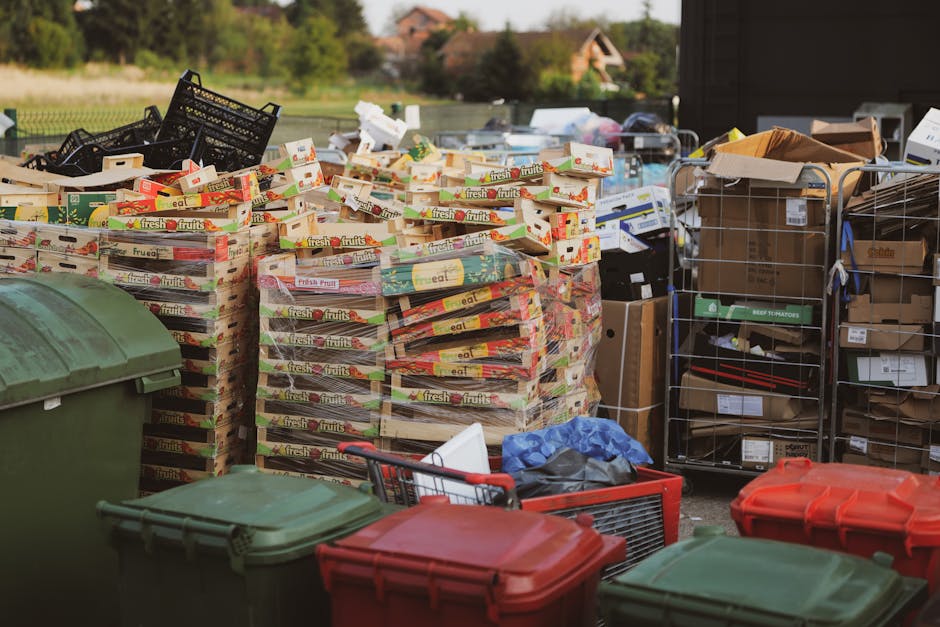
Roundwood Park bulky rubbish collection insider tips Willesden

If you are trying to sort out a bulky clear-out near Roundwood Park, you probably want the same thing most people do: a fast, tidy, no-drama solution that does not turn into a whole weekend of dragging sofas, broken wardrobes, and mystery bags down the street. The phrase Roundwood Park bulky rubbish collection insider tips Willesden sounds niche, but the need behind it is very ordinary. You have stuff to move, access may be awkward, and you want to do it properly the first time.
This guide breaks down what bulky rubbish collection really means in the Roundwood Park and Willesden area, how the process usually works, where people trip up, and the small practical decisions that make a surprisingly big difference. If you are weighing up rubbish removal, a skip, or a more flexible option such as wait and load skip hire, you will find the useful bits here without the fluff. Let's face it, nobody wants to overpay for a half-empty load or discover on collection day that the old fridge is not going anywhere after all.
One quick reassurance before we begin: the best solution is not always the biggest one. In busy London streets, the smartest approach is often the most practical one.
Why Roundwood Park bulky rubbish collection insider tips Willesden Matters
Bulky rubbish is one of those jobs that looks simple from the sofa and then becomes messy the moment you start. A single armchair is manageable. A cleared-out garage is not. In Roundwood Park and the surrounding Willesden streets, access, parking, road space, and timing all affect how smooth the job will be. That is why local know-how matters. A collection that would be straightforward on a wide industrial estate can be awkward on a residential road with narrow parking gaps and neighbours trying to get out at school run time.
People also underestimate the time cost. A collection is not just about lift-and-go. It can include sorting, separating recyclable items, checking what cannot be collected together, and thinking about whether a permit or a short-term loading plan is needed. If you are clearing a house after a move, a tenancy change, or a long-overdue declutter, those details matter more than they first appear.
There is also the trust factor. You want to know the waste will be handled responsibly, especially if your load includes mixed materials. That is where services linked to recycling and sustainability become relevant. A responsible collection is not only about removing clutter; it is about making sure reusable and recyclable material is dealt with sensibly, and that anything unsuitable is treated carefully.
Key point: the best bulky rubbish collection is the one that fits your access, your timeline, and the type of waste you actually have. Not the one that sounds biggest on paper.
How Roundwood Park bulky rubbish collection insider tips Willesden Works
Most bulky rubbish jobs fall into one of three patterns: a pre-booked collection, a same-day or short-notice removal, or a managed load that you fill and leave ready for uplift. The exact route depends on volume, access, and what you are disposing of. A few households need a full van load. Others just need a mattress, a broken washing machine, and a heap of garden waste taken away. Different jobs, different methods.
In practical terms, a good collection starts with identifying the waste type. Is it household furniture, white goods, builder's rubble, garden cuttings, or a mixed clear-out from loft and garage? That answer shapes the service. For example, a renovation job may suit builders skip hire or construction waste disposal, while a domestic clear-out may be better suited to domestic skip hire or direct man and van support.
Then comes access. Can a vehicle stop close enough? Is there space to carry items out safely? Is the item easy to dismantle, or does it need to be moved as one piece? A heavy wardrobe can become much easier if you remove doors and shelves first. A bulky collection is often 20% muscle and 80% common sense, which is a slightly annoying truth but true all the same.
Lastly, there is disposal handling. Some items can be loaded together, some cannot. For example, hazardous materials, fridges, and certain electronics may need separate treatment. If you are unsure, a service such as what can go in a skip is a useful reference point when planning any mixed load. It is better to check before the van arrives than to stand there with a half-loaded pile and a mild sense of defeat.
Key Benefits and Practical Advantages
The obvious benefit is getting rid of clutter. The less obvious benefit is getting your space, time, and head back. A cleared hallway feels different. A garage you can actually walk through is one of those small domestic wins that quietly improves daily life.
- Faster turnaround: ideal when you need items removed before a move, tenancy change, or refurbishment.
- Less physical strain: heavy lifting, awkward staircases, and cramped doorways are handled for you.
- Cleaner finish: the job is usually tidier than multiple self-managed trips to disposal points.
- Better planning: you can match the method to the material instead of forcing everything into one solution.
- Local convenience: a nearby collection in Willesden tends to be easier to schedule and manage than a more distant provider.
Another advantage is avoiding the classic overfill problem. A lot of people book too little space because they are thinking in bags, not in actual physical volume. A chair is not just a chair; it is a chair plus air, awkward angles, and the bit that catches on the stair rail. That is why checking skip sizes and prices early can help you make a more grounded decision.
For households with a mix of furniture, soft furnishings, and appliances, specialist options can be a better fit. If the job includes a mattress or sofa, a dedicated route such as mattress and sofa disposal may save time and reduce hassle. If it includes a fridge, freezer, or other white goods, fridge and appliance removal is usually the cleaner path.
Who This Is For and When It Makes Sense
Bulky rubbish collection is not just for people doing a massive house clearance. In fact, many jobs are small but awkward. A single sofa at the end of a terrace can be more annoying than a full loft tidy-up because you cannot just pretend it will vanish on its own. Spoiler: it won't.
This kind of service makes sense for:
- homeowners clearing old furniture, broken appliances, or general clutter
- landlords preparing a property between tenancies
- tenants leaving behind items that will not fit in normal bins
- DIY renovators with mixed light waste and bulky offcuts
- gardeners dealing with large volumes of green waste after a seasonal tidy
- businesses clearing offices, storerooms, or unused furniture
If you are handling a full property clear-out, house clearance may be more appropriate than a one-off bulky load. Likewise, a cleared attic or packed shed can point you toward garage and loft clearance. For office moves or resets, office clearance is often the better match.
When does it not make sense? If the items are few, light, and easy to carry, a quick self-managed trip or a small van collection may be enough. If the load is mainly loose green waste, you may be better served by garden waste removal. The whole point is to match the method to the mess.
Step-by-Step Guidance
- List everything you want removed. Separate furniture, appliances, rubble, green waste, and anything sharp or hazardous. A rough list is enough, but be honest. That old cupboard is bigger than you think.
- Measure the awkward items. Check whether the item will fit through doors, stairs, and gates. A few extra minutes with a tape measure can save a lot of regret.
- Check access. Note parking, loading space, floor level, and any tight turns. In a street like those around Roundwood Park, access can change the whole plan.
- Decide on the right service. Compare direct collection, skip hire, or a flexible wait-and-load arrangement. For short, time-sensitive jobs, same day skip hire may be useful.
- Separate restricted items. Put aside anything that may need special handling, such as hazardous waste or confidential papers.
- Book with a realistic estimate. Do not guess too low just to save money. That usually backfires.
- Prepare the load. Stack safely, keep pathways clear, and make sure the heaviest items are easiest to access.
- Confirm timing. Ask what happens if the truck is delayed, what the collection window is, and whether someone needs to be on site.
If the collection needs to happen from a road where a container might sit on public land, look at skip hire permits and the related skip permits guidance before you book. It is one of those details people often leave too late, and then the schedule gets awkward.
Expert Tips for Better Results
Over time, a few habits separate a smooth collection from a stressful one. None of them are complicated. They are just the kind of things people only learn after a slightly irritating first attempt.
- Break items down where you can. Flat-pack furniture, bed frames, and shelving take less space when dismantled.
- Keep a "maybe" pile separate. If you are unsure about an item, do not bury it in the middle of the load.
- Load by weight, not by luck. Heavy items at the bottom; lighter, crushable items on top.
- Leave walkways open. It makes lifting safer and speeds everything up.
- Check your waste mix early. Mixed waste often costs or behaves differently than a single waste stream.
- Ask about lockable or enclosed options. If the load needs to be secure, enclosed and lockable skip hire can be a sensible fit.
There is also a smart timing trick. If you can plan the collection for a weekday morning, you often avoid the chaos of weekend traffic and last-minute access problems. You will notice the difference if you have ever tried to move a mattress while a delivery van is blocking the pavement. Not fun.
Another useful habit is to think in categories. A lot of people ask for "general rubbish" when what they really have is three or four different waste streams. The clearer you are, the easier it becomes to choose between grab hire services, man and van, or a traditional skip solution.
Common Mistakes to Avoid
The most common mistake is booking the wrong method because it sounds simple. A small load does not always mean a small job. If access is poor or items are awkward, the easier-looking option can be the slower one.
Another mistake is mixing prohibited items with general waste. Batteries, liquids, chemicals, and certain electricals should not just be tossed in with furniture and rubble. If you suspect something needs separate disposal, check first or use hazardous waste disposal guidance.
Other common slip-ups include:
- underestimating volume and booking too small a collection
- forgetting about parking or loading restrictions
- leaving items in damp, cramped spaces where they are harder to move
- assuming every appliance can be treated the same way
- waiting until the last day, then wanting an impossible time slot
One small but important point: do not rely on "I'm sure it'll fit" language. That phrase has caused more awkward moments than people admit. Be a bit stricter with yourself. Future-you will be grateful.
Tools, Resources and Recommendations
You do not need a toolkit the size of a contractor's van, but a few basics help. A tape measure, gloves, a marker pen, strong bags, and a dolly or sack truck can make a noticeable difference. Even if a crew is helping, being prepared keeps the job moving.
Useful pages and services to review before booking include:
- skip hire for general waste projects that need a contained solution
- rubbish removal for direct collection of bulky household items
- pricing and quotes when you need a clearer view of likely costs
- book online if you want a quicker scheduling route
- payment and security if you are checking how the booking process is handled
If you are comparing services for a tidy-up involving mixed materials, it is worth looking at the wider support pages too. Site clearance can help where the job is larger and less domestic in feel, while muck away services suit soil, hardcore, and heavier load types. For construction-heavy jobs, builders waste removal is often the better label than "bulky rubbish" because it reflects what is really in the pile.
And if you are handling documents at the same time as physical clutter, do not forget privacy. confidential shredding is a practical add-on for paperwork that should not be left in a bin bag with an old lamp and a broken fan heater.
Law, Compliance, Standards, or Best Practice
For waste, the safest approach is always to follow accepted UK best practice rather than assuming "it's only a few items" makes everything fine. In plain English, that means using a reputable carrier, separating restricted materials, and making sure waste is taken to an appropriate facility.
You do not need to become a legal expert to arrange a bulky collection, but you should be careful with these points:
- Duty of care: waste should be transferred to a legitimate handler, not dumped somewhere questionable.
- Hazard separation: items such as chemicals, pressurised containers, and certain electrical waste may need special handling.
- Public-space placement: if a skip or container needs to sit on a road, permit rules may apply.
- Safe loading: items should be stacked so they are stable and do not create a hazard.
In practical terms, the safest route is to speak clearly about what you have, ask how the waste will be handled, and choose a provider that explains the process plainly. That is usually a good sign. If someone sounds vague about restricted waste or permits, that is your cue to slow down a bit.
For readers who want to understand the collection boundary more clearly, the health and safety policy and insurance and safety pages are sensible places to review before making a booking decision. They help set expectations without making the process feel overly formal.
Options, Methods, or Comparison Table
There is no single best method for every bulky rubbish job in Willesden. The right choice depends on volume, access, timing, and the type of material. Here is a practical comparison.
| Method | Best for | Advantages | Watch-outs |
|---|---|---|---|
| Bulky rubbish collection | Furniture, mixed household waste, awkward items | Convenient, quick, less lifting for you | Needs clear item details and good access |
| Skip hire | Ongoing clear-outs, mixed loads, DIY waste | Flexible loading, useful for multi-day jobs | May need permits and space |
| Wait and load | Short jobs with limited parking or fast turnover | No long on-street container time | You need to be ready when the vehicle arrives |
| Man and van | Smaller loads, one-off bulky items | Very flexible, ideal for direct removal | Less suited to large ongoing waste volumes |
| Grab hire | Heavier waste, larger piles, site or garden clearance | Efficient for loose material and bulky mixed loads | Needs workable access for the lorry |
If your job includes loose rubble or soil rather than furniture, grab lorry hire can be a very neat solution. For softer domestic clutter, direct removal or a skip often makes more sense. The best choice is the one that reduces handling, not the one that sounds most impressive.
Case Study or Real-World Example
A fairly typical Roundwood Park job might look like this: a family is moving out, the spare room has become a storage zone, and the hallway now contains an old bed frame, a mattress, a small wardrobe, several broken storage boxes, and a fridge that no longer works. The first instinct is often to book "a van" and hope for the best.
In practice, the better move is to sort the load before the booking. The mattress and sofa-type items are separated, the fridge is identified early, and the loose household clutter is boxed so it can be moved efficiently. The family checks access to the front door and confirms whether the vehicle can stop close enough without causing problems. That alone saves time.
Because the load is mixed, the removal plan is split into sensible parts: the fridge is handled separately, bulky soft furnishings are grouped, and the rest goes with the general clear-out. The result is less stress, less back-and-forth, and a cleaner finish by the end of the day. It sounds obvious after the fact, of course. It usually does.
The bigger lesson here is simple: if you separate the job into waste types before collection day, everything becomes easier. The quote is usually clearer too, which is never a bad thing.
Practical Checklist
- Identify every item you want removed
- Separate furniture, appliances, rubble, garden waste, and any hazardous items
- Measure large objects and check access points
- Decide whether you need skip hire, wait and load, or direct collection
- Review what can go in a skip before booking
- Check whether a permit might be needed
- Prepare the items so they are easy to lift
- Keep paths, stairs, and entrances clear
- Confirm timing and collection windows
- Review pricing and payment details in advance
- Ask about recycling and disposal handling
- Have someone available if the provider needs access help
That may seem like a lot, but once you do it, the job runs so much more smoothly. And yes, you can absolutely do it in one prep session with a cup of tea nearby.
Conclusion
Roundwood Park bulky rubbish collection is easier when you treat it like a practical logistics job rather than a quick throw-it-all-out task. A bit of planning around access, item types, and collection method will save you money, time, and several unnecessary headaches. Whether you are clearing a single awkward item or dealing with a full room's worth of clutter, the same rule applies: match the service to the waste.
For many people in Willesden, the best results come from a simple process: sort first, measure second, book third. If you do that, the collection day feels much less chaotic and a lot more under control. Honestly, that tiny bit of order changes everything.
Get a free quote today and see how much you can save.
And if you are still weighing up the right approach, take your time, look at the type of waste honestly, and choose the option that makes the job feel lighter. That is usually the best sign you have picked well.
Frequently Asked Questions
What is the best option for Roundwood Park bulky rubbish collection in Willesden?
The best option depends on what you are throwing away, how much of it there is, and how easy it is to access. For single bulky items, direct rubbish removal may be simplest. For bigger or ongoing clear-outs, skip hire or grab hire may fit better.
Do I need a permit for bulky rubbish collection?
Usually not for a standard collection on private property, but you may need a permit if a skip or vehicle loading setup has to occupy part of the public highway. It is worth checking early so you do not get caught out later.
Can I put a fridge or freezer in a bulky waste load?
Sometimes, but it should be handled carefully and may need a separate removal route. Fridges and freezers often have specific handling requirements, so it is better to treat them as a special item rather than assuming they can go in with everything else.
What bulky items are most commonly collected?
Sofas, armchairs, mattresses, wardrobes, tables, bed frames, washing machines, fridges, garden waste, and mixed household clutter are all common. In our experience, the "one item" call often turns into five once people start looking around.
Is skip hire better than rubbish removal?
It depends on how you want to work. Skip hire suits longer projects and mixed loads you want to build up over time. Rubbish removal suits quick clear-outs and awkward items that need lifting away in one visit.
How do I know what can go in a skip?
Check the guidance on what is allowed before you book. General household waste, wood, furniture, and many DIY materials are often acceptable, but hazardous items, some electricals, and restricted materials need separate handling.
Can I get same-day bulky rubbish collection in Willesden?
Sometimes, yes, if the timetable and access line up. Same-day options are most realistic when the load is clearly described and the collection can be arranged without access delays.
What should I do with confidential paperwork during a clear-out?
Keep it separate and use confidential shredding rather than mixing it with general waste. It is a small step, but it matters more than people think.
How can I reduce the cost of bulky rubbish collection?
Sort the load in advance, remove anything reusable, dismantle large items where possible, and be accurate about volume and item type. A clearer description often leads to a cleaner quote.
Is bulky rubbish collection suitable for garden waste too?
Yes, if the green waste is part of a broader clear-out. If the job is mainly branches, hedge cuttings, and grass, a dedicated garden waste service may be a better fit.
What if my items are too large to move easily?
Then the best first step is to measure them and check whether they can be dismantled. If not, choose a service that includes lifting and handling, rather than trying to force the job into a lighter option.
How do I choose between man and van and grab hire?
Choose man and van for smaller, more controlled collections and grab hire for larger, heavier, or loose waste that is easier to scoop than to hand-load. It is mainly about the shape and weight of the load.
Who should I contact if I have a mixed clear-out and need help deciding?
Review the relevant service pages, check the pricing information, and then get in touch through the site if you still need help. A good provider will usually help you match the waste to the right solution rather than pushing one option for everything.